
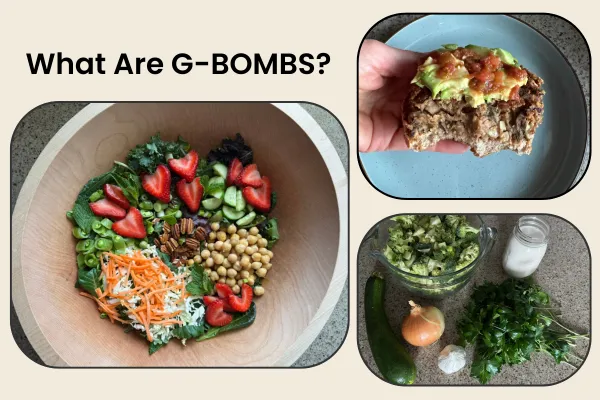
What Are G-BOMBS? Six Foods That Support Better Health
Learn about the six G-BOMBS food groups, the nutritional benefits they offer, and simple ways to include more of them in everyday meals.
When I first began learning about the Nutritarian approach to eating, one of the concepts that stood out to me was G-BOMBS, an acronym developed by Dr. Joel Fuhrman to highlight six groups of foods he considers especially important for long-term health.
G-BOMBS stands for Greens, Beans, Onions, Mushrooms, Berries, and Seeds. These foods are rich in vitamins, minerals, fiber, and protective plant compounds, and each offers its own nutritional benefits.
What makes G-BOMBS particularly useful is that they provide a simple way to think about what we're eating. Rather than focusing only on what to eliminate from our diets, they encourage us to include more of the foods that nourish our bodies.
Over time, I've found that incorporating these foods doesn't require complicated recipes or elaborate meal planning. Many of them naturally fit into the salads, soups, breakfasts, and other everyday meals I already enjoy.
What makes G-BOMBS important?
Dr. Fuhrman emphasizes G-BOMBS because of their high concentration of micronutrients and phytochemicals, many of which have been studied for their roles in supporting cardiovascular health, immune function, and protection against chronic disease.
Each of these six food groups offers unique nutritional benefits, and including a variety of them regularly is a practical way to support long-term health.
Let's take a closer look at what makes each one valuable and how you can incorporate them into everyday meals.
See G-BOMBS in Action
One of the easiest ways to understand G-BOMBS is to see how they fit into familiar meals. In this short video, I'm sharing examples from my own kitchen that highlight all six food groups and show how easily they can be combined in everyday eating.
G is for Greens
Leafy greens and other green vegetables are among the most nutrient-dense foods we can eat. They provide vitamins, minerals, fiber, and a wide range of phytochemicals that support normal cellular function and help protect the body from oxidative stress.
Dark leafy greens are especially rich in folate and carotenoids, including lutein and zeaxanthin, which play important roles in eye health.
Cruciferous vegetables, such as kale, broccoli, cabbage, and Brussels sprouts, provide another group of protective compounds called glucosinolates. When these vegetables are chopped, chewed, or otherwise broken down, glucosinolates can be converted into biologically active compounds, including isothiocyanates.
Researchers have studied these compounds for their effects on inflammation, cellular protection, and processes involved in cancer development. Laboratory findings are promising, although human studies do not establish that eating cruciferous vegetables prevents cancer.
For a closer look at the research behind these vegetables and their protective compounds, read my Nutrition Insights article on cruciferous vegetables.
Examples of greens and green vegetables include:
Cruciferous vegetables: kale, collard greens, broccoli, cauliflower, Brussels sprouts, cabbage, bok choy, arugula, mustard greens, and watercress.
Leafy greens: romaine lettuce, leaf lettuce, butter lettuce, spinach, and Swiss chard.
Other green vegetables: asparagus, green beans, celery, cucumber, and zucchini.
Easy ways to include more greens: Build a large salad with several varieties of lettuce and leafy greens, add chopped greens to soups and stews, serve raw vegetables with a healthy dip, or enjoy steamed, roasted, or sautéed vegetables as part of a meal.
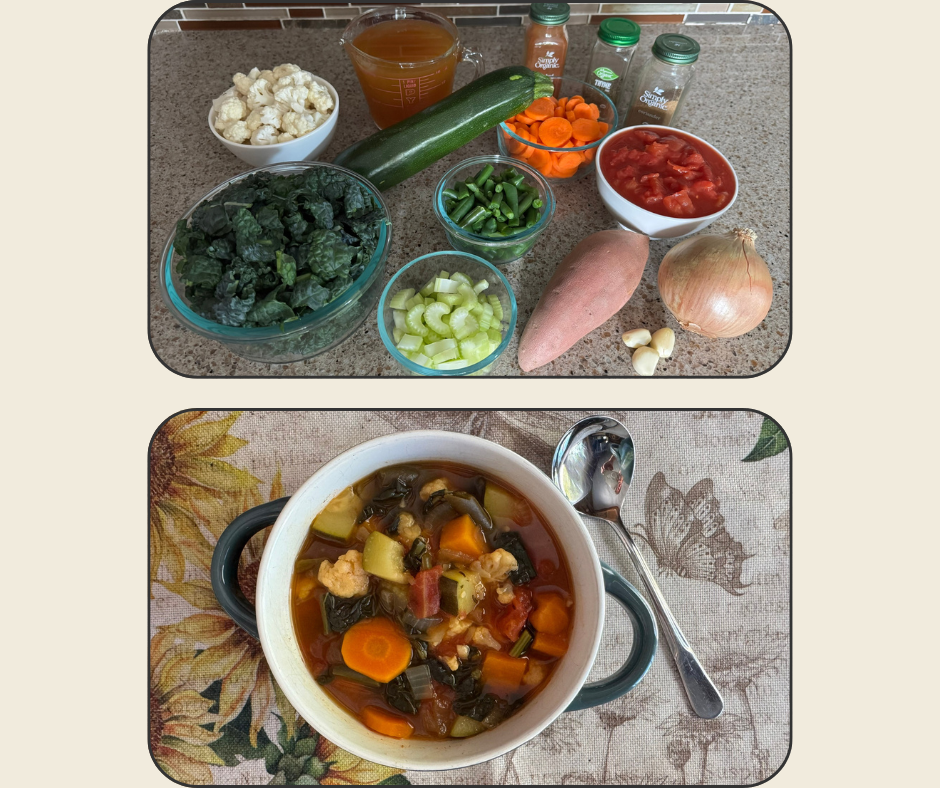
Try this recipe: Hearty Garden Vegetable Soup
B is for Beans
Beans and other legumes provide a combination of plant-based protein, fiber, resistant starch, vitamins, minerals, and protective phytochemicals.
One of their most important benefits comes from their fiber. Soluble fiber can help lower LDL cholesterol, while other fibers and resistant starches are fermented by beneficial bacteria in the colon, producing short-chain fatty acids that support intestinal health.
Beans also digest relatively slowly, helping moderate the rise in blood sugar after a meal. Their combination of fiber and protein promotes fullness, making them a satisfying addition to salads, soups, and other meals.
Research has associated regular legume consumption with improvements in several cardiovascular and metabolic risk factors, although findings vary depending on the outcome studied.
Examples of beans and legumes include:
Black beans, kidney beans, pinto beans, cannellini beans, and navy beans.
Chickpeas, lentils, and split peas.
Green peas, snow peas, edamame, and soybeans.
Easy ways to include more beans: Add them to salads, soups, stews, grain bowls, tacos, and chili. You can also blend beans into dips and spreads or use them to make homemade veggie burgers.
Canned beans are a convenient option. Choose no-salt-added or low-sodium varieties when available, and drain and rinse them before using.

Try this recipe: Creamy Tomato, White Bean & Leafy Greens Spaghetti Squash
O is for Onions
Onions belong to the allium family, along with garlic, shallots, leeks, scallions, and chives.
These vegetables contain sulfur-containing compounds that contribute to their distinctive flavors and aromas. When garlic and other alliums are chopped or crushed, enzymes help produce biologically active organosulfur compounds.
Researchers have investigated these compounds for their antioxidant activity and potential effects on inflammation, cellular signaling, and processes associated with cancer development. Much of this evidence comes from laboratory research, and human findings remain mixed.
Onions also contain flavonoids, including quercetin, and certain prebiotic fibers that can help nourish beneficial gut bacteria.
Examples of allium vegetables include:
Yellow, white, and red onions.
Garlic and shallots.
Leeks, scallions, and chives.
Easy ways to include more onions: Add chopped red onions or scallions to salads, use onions and garlic as the flavor base for soups and stews, or include sautéed onions in vegetable dishes, sandwiches, and grain bowls.
Because different preparations affect their compounds differently, enjoying a variety of raw and cooked alliums is a practical approach.
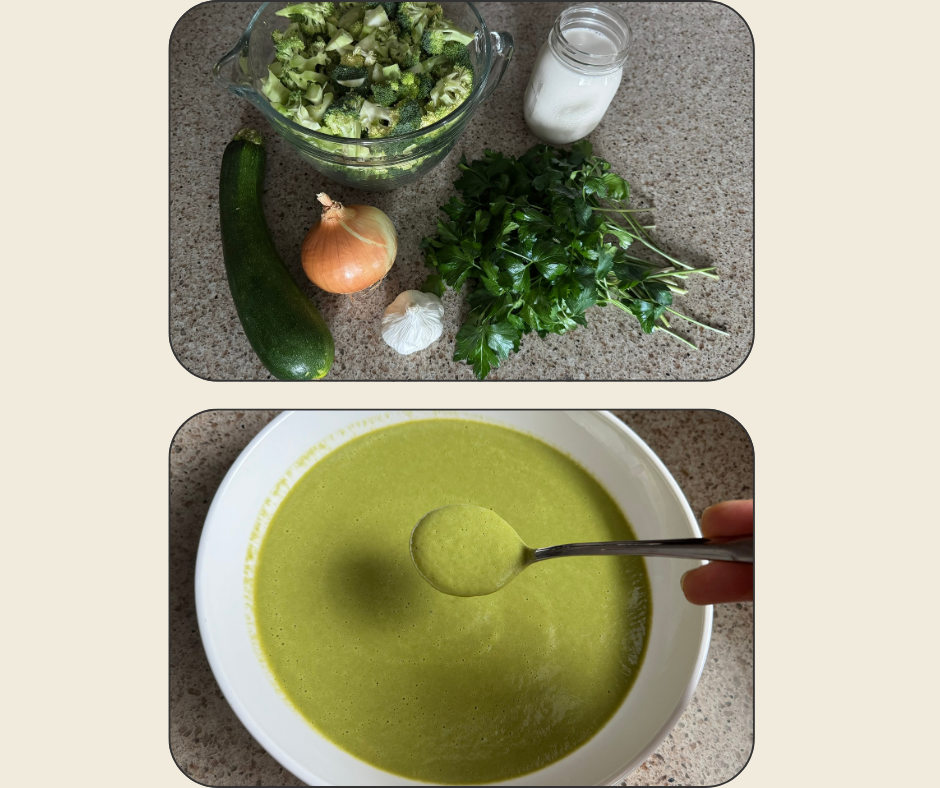
Try this recipe: Creamy Broccoli Herb Soup
M is for Mushrooms
Mushrooms are technically fungi rather than plants, and they provide several compounds that distinguish them from other foods.
One of these is ergothioneine, a naturally occurring antioxidant that has attracted research interest because of its potential role in protecting cells from oxidative stress.
Mushrooms also contain beta-glucans, a type of polysaccharide studied for its effects on immune function.
Laboratory studies have identified mushroom compounds that may influence inflammation, immune activity, and processes involved in cancer development. Some observational studies have also found associations between higher mushroom consumption and lower cancer risk, although these findings do not prove that mushrooms prevent cancer.
Another consideration is preparation. Certain mushrooms, particularly common button mushrooms and related varieties, naturally contain a compound called agaritine. Laboratory studies have raised questions about its potential carcinogenic effects, although a cancer risk from eating raw mushrooms has not been established in humans.
Cooking mushrooms reduces agaritine levels, which is one reason I prefer to eat them cooked.
Examples of edible mushrooms include:
White button, cremini, and portobello mushrooms.
Shiitake, oyster, and maitake mushrooms.
Enoki, porcini, chanterelle, and lion's mane mushrooms.
Easy ways to include more mushrooms: Sauté them with onions and garlic, add cooked mushrooms to salads, or incorporate them into soups, stews, stir-fries, pasta dishes, and grain bowls.
Finely chopped mushrooms also work particularly well in homemade veggie burgers because they contribute a savory flavor and hearty texture.
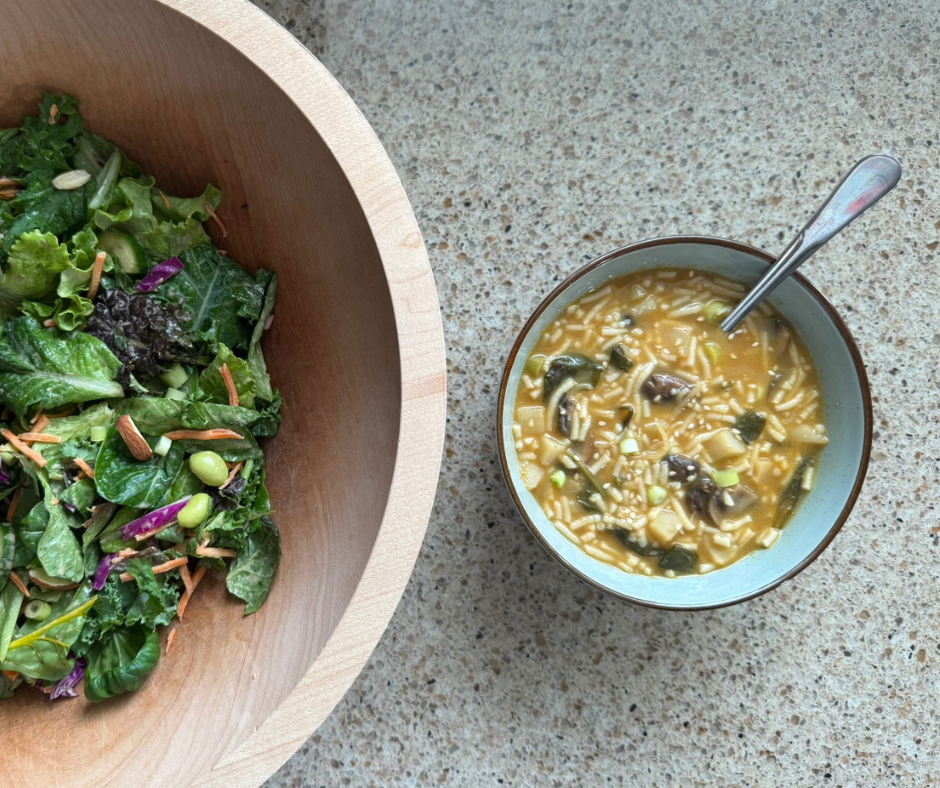
Try this recipe: Simple Miso Mushroom Ramen Soup (included as the optional soup recipe in my Asian Crunch Bowl post).
B is for Berries
Berries are rich in fiber, vitamins, minerals, and colorful phytochemicals, particularly flavonoids.
Many deeply colored berries contain anthocyanins, the pigments responsible for their red, purple, and blue colors.
Anthocyanins and other berry compounds have been studied for their antioxidant and anti-inflammatory effects, as well as their potential roles in cardiovascular and brain health.
Research has associated berry consumption with improvements in certain cardiovascular risk factors, including blood pressure and aspects of vascular function. Scientists are also investigating how berry phytochemicals may influence cellular processes associated with chronic diseases.
Whole berries provide fiber along with their natural sugars, making them a nutritious addition to meals and snacks.
Examples of berries and related fruits include:
Blueberries, strawberries, raspberries, and blackberries.
Cranberries and cherries.
Pomegranate arils.
Easy ways to include more berries: Add fresh or frozen berries to oatmeal, smoothies, or unsweetened plant-based yogurt. They also work well in salads, as snacks, or in simple fruit-based desserts.
Frozen berries are especially convenient because they can be kept on hand year-round without worrying about using them before they spoil.
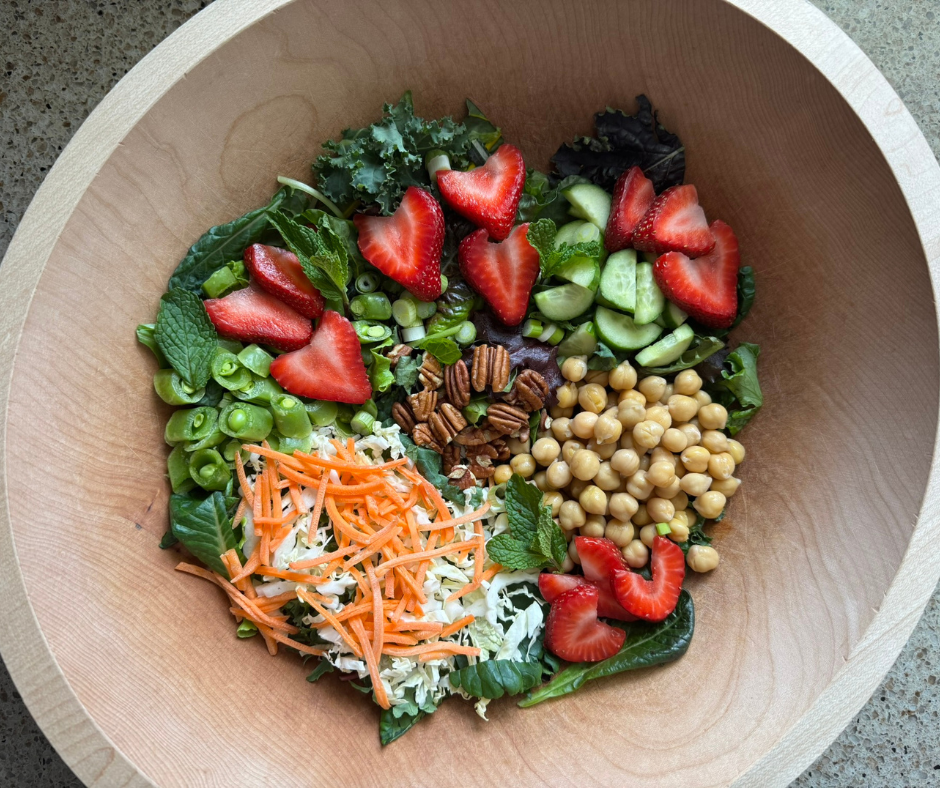
Try this recipe: Simple Prep Strawberry Chickpea Garden Bowl
S is for Seeds (and Nuts)
Seeds and nuts provide healthy unsaturated fats, plant-based protein, fiber, minerals, and protective phytochemicals.
Some seeds, particularly flaxseed and chia seeds, are rich in alpha-linolenic acid (ALA), a plant-based omega-3 fatty acid.
Research consistently associates regular nut consumption with cardiovascular benefits, including improvements in LDL cholesterol. Nuts and seeds have also been investigated for their potential roles in reducing inflammation and supporting metabolic health.
Another important benefit is their effect on nutrient absorption. Many protective compounds in vegetables, including carotenoids, are fat-soluble. Including nuts, seeds, avocado, or a nut- or seed-based dressing with salads and other vegetable dishes can help the body absorb these compounds.
Unlike extracted oils, whole nuts and seeds retain their natural food structure, including fiber and other nutrients. This structure influences how their fats are released during digestion, and some of their fat may not be completely absorbed.
Both nuts and seeds are calorie-dense, but research suggests that eating them in moderation does not generally lead to weight gain. Their combination of healthy fats, protein, and fiber helps promote fullness and satisfaction, making them a valuable part of a healthy eating pattern.
Examples of seeds and nuts include:
Seeds: ground flaxseed, chia seeds, hemp seeds, pumpkin seeds, sesame seeds, and sunflower seeds.
Nuts: walnuts, almonds, pistachios, pecans, cashews, and pine nuts.
Easy ways to include more seeds and nuts: Sprinkle them over salads or oatmeal, add them to smoothies, blend them into creamy dressings, or enjoy a small portion as a snack.
Ground flaxseed and chia seeds are particularly easy to incorporate into breakfast, while walnuts, pecans, pumpkin seeds, and other varieties add flavor and texture to salads.
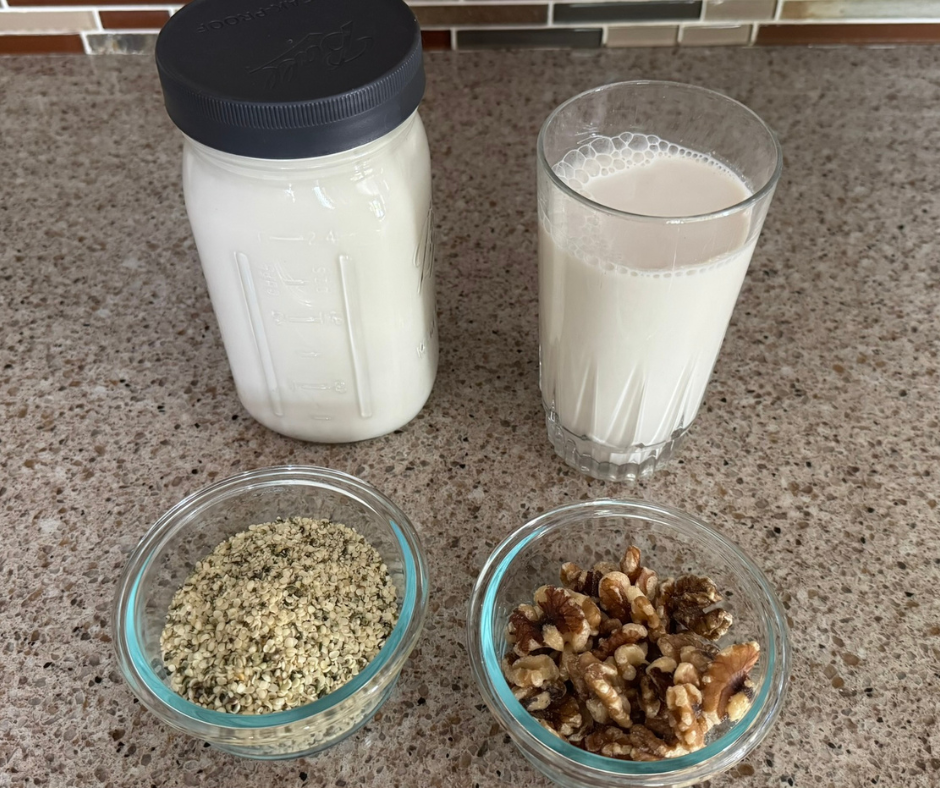
Try this recipe: Homemade Walnut-Hemp Milk
How I Include G-BOMBS in Everyday Meals
One of the things I appreciate about G-BOMBS is that I don't have to prepare six separate foods or make complicated recipes to include them in my diet.
My breakfast is a good example. Most mornings, I enjoy a bowl of oatmeal made with my Prep-Ahead Oatmeal Mix, topped with berries and walnuts. The mix also includes ground flaxseed and chia seeds. That takes care of two G-BOMBS groups before the day really gets started.
My daily salad is another opportunity to include several groups at once. I always include leafy greens, beans, onions, and nuts or seeds. You'll find plenty of examples in my Salad of the Week collection, where I share different combinations of nutrient-dense ingredients, homemade dressings, and practical prep-ahead tips.
Soups and stews also make it easy to combine several G-BOMBS into one meal. You'll find plenty of ideas in my Recipes collection. Just enter "soup" in the search bar to explore the different recipes.
Another favorite is my Pinto Bean, Mushroom & Greens Burgers, which I typically enjoy at least once a week. Made with pinto beans, mushrooms, kale, onions, garlic, and ground flaxseed, these burgers include five of the six G-BOMBS groups in one satisfying meal. I like to make a double batch and freeze the extras so they're ready for quick meals throughout the week.
The important thing is that these foods have become familiar ingredients in meals I already enjoy. I don't need every meal to contain all six groups, and I don't approach G-BOMBS as a complicated checklist.
Instead, I use them as a reminder to include a variety of nutrient-dense foods throughout the day.
Including Mushrooms in Your Daily Routine
Dr. Fuhrman encourages including all six G-BOMBS food groups regularly, ideally every day, because each provides different nutrients and protective plant compounds.
For me, mushrooms are probably the most challenging group to include daily. I enjoy them in cooked dishes and vegetable medleys, but I don't always have them in my meals every day.
I also take Dr. Fuhrman's Immune Biotect supplement daily. It contains concentrates from nine different mushrooms, along with berry extracts and other ingredients. I like knowing that I'm including additional mushroom compounds in my routine, even on days when mushrooms aren't on the menu.
Dr. Fuhrman also offers Mushroom Chai, a powdered beverage blend containing nine mushroom varieties, along with spices such as turmeric, cinnamon, and ginger.
Other companies offer mushroom extract powders, powdered drink mixes, and mushroom coffees that can be incorporated into a daily routine.
Regardless of the brand, these products are supplements to a healthy diet, not nutritional replacements for eating whole mushrooms. Their ingredients and concentrations vary, and whole mushrooms provide fiber and other nutrients that may not be present in concentrated extracts.
Final Thoughts
G-BOMBS offer a simple way to focus on some of the most nutrient-dense foods we can include in our diets. Each of the six groups provides its own combination of vitamins, minerals, fiber, and protective plant compounds, and together they contribute to a healthy eating pattern.
What I appreciate most about this approach is that it encourages us to think about what we can add to our meals rather than what we need to take away. A handful of berries at breakfast, beans and greens in a salad, or mushrooms and onions in a vegetable dish are all simple ways to put these nutritional principles into practice.
Over time, these small choices can become everyday habits. And that's really the goal: making nutrient-dense eating a natural, enjoyable, and sustainable part of life.
Want More Nutrient-Dense Meal Ideas?
My free Tower-to-Table Recipe Guide includes my Daily Salad Formula, along with simple whole-food plant-based recipes to help you turn fresh greens and vegetables into delicious, nutrient-dense meals.
Here's to simple, nourishing meals — one bowl at a time 🌱
Karen
Research & Sources
Dr. Joel Fuhrman: G-BOMBS: The Anti-Cancer Foods That Should Be in Your Diet Right Now.
National Cancer Institute: Cruciferous Vegetables and Cancer Prevention.
PubMed Central (NIH): Glucosinolates in Human Health: Metabolic Pathways, Bioavailability, and Potential in Chronic Disease Prevention.
PubMed Central (NIH): Legume Consumption in Adults and Risk of Cardiovascular Disease and Type 2 Diabetes: A Systematic Review and Meta-Analysis.
PubMed Central (NIH): Garlic and Onions: Their Cancer Prevention Properties.
PubMed Central(NIH): Higher Mushroom Consumption Is Associated with Lower Risk of Cancer: A Systematic Review and Meta-Analysis of Observational Studies.
PubMed Central (NIH): Anthocyanins, Anthocyanin-Rich Berries, and Cardiovascular Risks: Systematic Review and Meta-Analysis of 44 Randomized Controlled Trials and 15 Prospective Cohort Studies.
PubMed Central (NIH): Nuts and Seeds Consumption and Risk of Cardiovascular Disease, Type 2 Diabetes and Their Risk Factors: A Systematic Review and Meta-Analysis.