
Nutrition Insights: Why Cruciferous Vegetables Matter
Understanding the research. Building healthier habits.
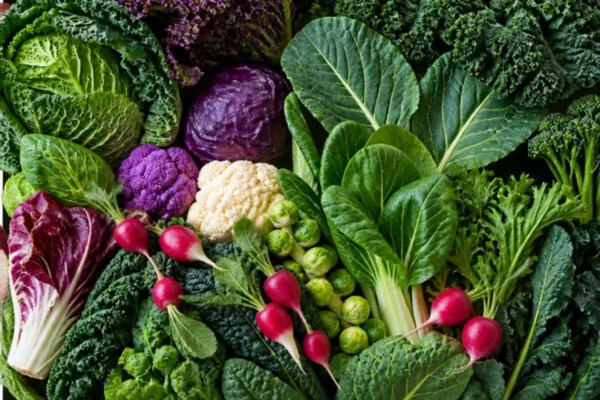
Cruciferous vegetables include familiar foods like broccoli, cauliflower, cabbage, and Brussels sprouts, along with leafy greens such as kale, collards, pac choi, mizuna, and tatsoi. They may not always be the vegetables people get excited about eating, but research into the unique plant compounds they contain gives us some compelling reasons to put more of them on our plates.
For years, the cruciferous vegetables I ate were basically broccoli and cauliflower, with cabbage or Brussels sprouts making an occasional appearance. That changed when I adopted Dr. Joel Fuhrman's Nutritarian approach and learned more about nutrient density. Dr. Fuhrman describes green vegetables as the most nutrient-dense of all foods, with kale and collard greens receiving the highest scores on his ANDI nutrient-density scale, and recommends eating green vegetables every day.
That’s one reason a large salad became part of my daily routine—and why I began eating a much wider variety of cruciferous leafy greens. It’s also why I devote so much of my Tower Garden space to growing greens today.
I've written before about research linking leafy green vegetables with brain health and slower cognitive decline in Nutrition Insights: Can Eating More Fruits and Vegetables Help Support Brain Health? This time, I wanted to take a closer look at the cruciferous family—what makes these vegetables different, what research tells us about their potential health benefits, and how the way we prepare them can matter.
What Are Cruciferous Vegetables?
Cruciferous vegetables belong to the Brassicaceae family, commonly known as the cabbage or mustard family. The name “cruciferous” comes from the cross-like shape of the flowers produced by plants in this family.
It’s an incredibly diverse group. Some cruciferous vegetables are leafy greens, while others are vegetables we eat for their flower heads, roots, stems, leafy heads, or buds.
Some familiar examples include:
Leaves: kale, collards, bok choy/pac choi, mizuna, tatsoi, mustard greens, arugula, watercress, and turnip greens
Flower heads: broccoli, cauliflower, broccolini, and Romanesco
Roots: radishes, turnips, rutabaga, and horseradish
Stems: kohlrabi and broccoli stems
Leafy heads: green cabbage, red cabbage, Savoy cabbage, and Napa cabbage
Buds: Brussels sprouts
From leaves and stems to roots, flower heads, and buds, the cruciferous family gives us an amazing variety of vegetables to choose from.
It’s also worth remembering that not every leafy green is cruciferous. Lettuce, spinach, and Swiss chard, for example, belong to other plant families.
I intentionally grow several cruciferous greens in my Tower Garden, including kale, pac choi, mizuna, and tatsoi.
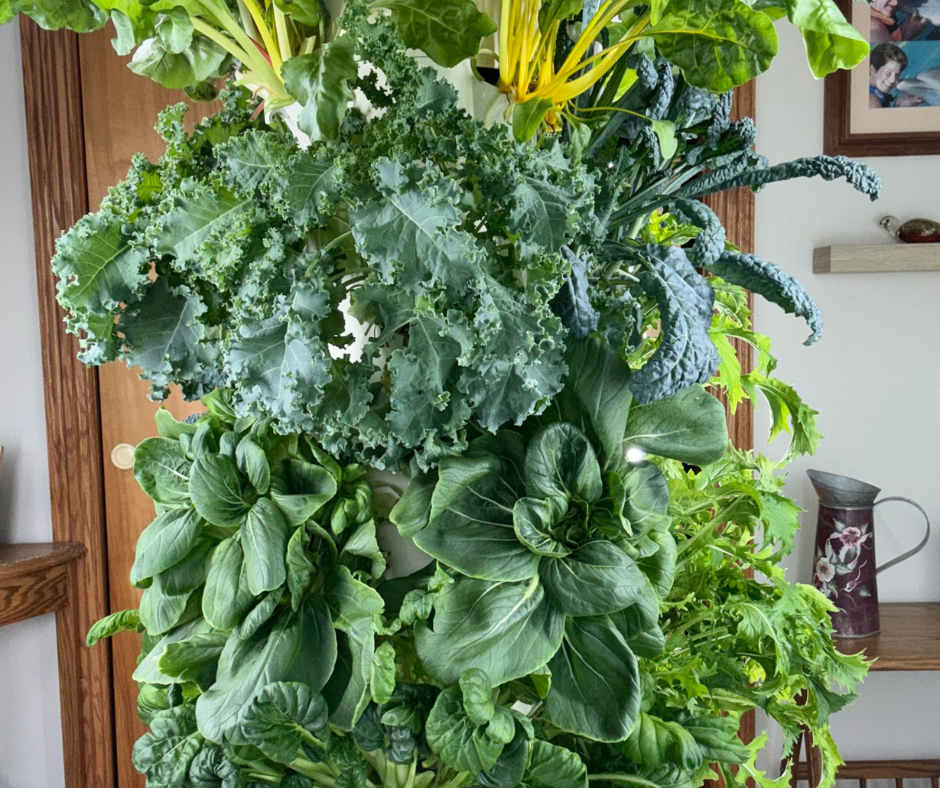
If mizuna is new to you, I recently took a closer look at this mild, fast-growing green in Meet Mizuna →.
What Makes Cruciferous Vegetables Different?
Like other vegetables, cruciferous vegetables provide vitamins, minerals, fiber, and a variety of beneficial plant compounds. But one thing that makes this family especially interesting is that they're rich in a group of sulfur-containing compounds called glucosinolates.
If you've ever noticed the distinctive smell of broccoli, cabbage, or Brussels sprouts—or the sharp bite of a radish or mustard green—you've already experienced some of the characteristics associated with this chemistry. Glucosinolates and the compounds formed when they're broken down contribute to the pungent aromas and sometimes bitter or spicy flavors characteristic of cruciferous vegetables.
But here's where it gets especially interesting: some of the biologically active compounds researchers are most interested in aren't simply sitting there waiting inside an intact vegetable. The process of chopping, crushing, blending, or even chewing the vegetable helps create them.
When we break open the plant's cells, substances that had been stored separately can finally come into contact. A natural chemical reaction begins, producing compounds that researchers have studied for their potential health-protective effects.
So something as ordinary as chopping kale for a salad or chewing a piece of broccoli actually helps set this process in motion.
How Does That Happen?
Cruciferous vegetables contain an enzyme called myrosinase. In the intact plant, myrosinase and glucosinolates are stored separately. When the plant cells are damaged by chopping, crushing, blending, or chewing, they're brought together.
Myrosinase can then help break down glucosinolates into biologically active compounds, including a group called isothiocyanates (ITCs).
One ITC you may have heard of is sulforaphane. It's produced from a glucosinolate called glucoraphanin, which is found in particularly high concentrations in broccoli sprouts but is also present in mature broccoli, Brussels sprouts, cabbage, cauliflower, and other cruciferous vegetables.
These compounds have attracted researchers' attention because of the ways they may influence processes involved in protecting cells and supporting health.
What Does the Research Say About Cancer?
Much of the interest in cruciferous vegetables has centered on their potential role in cancer prevention. The isothiocyanates and other compounds we just talked about have been studied for their effects on several processes involved in how cancer develops.
In laboratory and animal studies, researchers have found that compounds from cruciferous vegetables may help protect cells from DNA damage, help inactivate certain carcinogens, reduce inflammation, and influence processes involved in the growth and death of abnormal cells.
Human research is more complicated. Some observational studies have found associations between higher cruciferous vegetable intake and lower risk of certain cancers, while others have found little or no association. Results have varied by cancer type and by study.
Taken together, the research helps explain why cruciferous vegetables continue to be studied, but it doesn't mean that broccoli, kale, or any other individual food can prevent cancer.
What About Other Potential Health Benefits?
Cancer has received a great deal of attention in research on cruciferous vegetables, but it isn't the only area scientists have been studying.
Glucosinolates and the compounds formed from them have also attracted attention for their potential anti-inflammatory and antioxidant effects. Some human studies have found that eating more cruciferous vegetables is associated with lower levels of certain inflammatory markers. Laboratory research also suggests that compounds such as isothiocyanates may activate some of the body's own antioxidant defenses, which help protect cells from damage caused by oxidative stress—an imbalance between harmful free radicals and the body's ability to neutralize them.
Researchers have also been looking at cardiovascular health. In a randomized controlled trial of adults with mildly elevated blood pressure, eating cruciferous vegetables for two weeks resulted in a modest reduction in 24-hour systolic blood pressure compared with eating root and squash vegetables. The researchers also found a small reduction in triglycerides. Other observational research has associated higher cruciferous vegetable intake with lower cardiovascular and overall mortality.
As with the cancer research, there are still questions to answer, and the evidence isn't equally strong for every potential benefit. But the research suggests that the compounds in cruciferous vegetables may play a role in supporting health in several ways beyond their possible effects on cancer.
Three Things to Remember
The science behind cruciferous vegetables is fascinating, but you don't need to remember terms like glucosinolates, myrosinase, or isothiocyanates every time you make a meal. For me, the practical takeaways come down to three simple things.
Prefer to watch? Here’s a quick overview of the three things to keep in mind.
1. Eat a Variety
Broccoli and cauliflower are great choices, but the cruciferous family gives us so many more options. Kale, collards, cabbage, Brussels sprouts, pac choi, mizuna, tatsoi, radishes, and other cruciferous vegetables all bring different combinations of nutrients and plant compounds to the table.
Rather than relying on one or two favorites, try including a variety over the course of the week.
2. Eat Them Both Raw and Cooked
Including both raw and cooked cruciferous vegetables is an easy way to add more variety to your meals while enjoying these vegetables in different forms.
Raw crucifers retain active myrosinase, which helps convert glucosinolates into biologically active compounds such as isothiocyanates. Cooking changes that process, but cooked cruciferous vegetables still provide valuable nutrients and glucosinolates, and our gut bacteria can help convert some of those glucosinolates after we eat them.
How you cook them also matters. Gentle cooking methods such as steaming tend to preserve more glucosinolates than boiling. Because glucosinolates are water-soluble, some can move into the cooking water—which is one reason soup is such a great option. The cooking liquid becomes part of the meal rather than being poured away.
A salad with raw cruciferous greens alongside a soup containing cooked kale, cauliflower, or another crucifer is an easy way to include both. Or make a hearty vegetable soup the meal itself—adding beans or another plant-based protein can make it even more satisfying.
3. Chop or Chew Them Well
This is where the chemistry we talked about earlier becomes practical.
When you eat cruciferous vegetables raw, chopping them—and then chewing them well—breaks open the plant cells and allows the glucosinolates and myrosinase to come together.
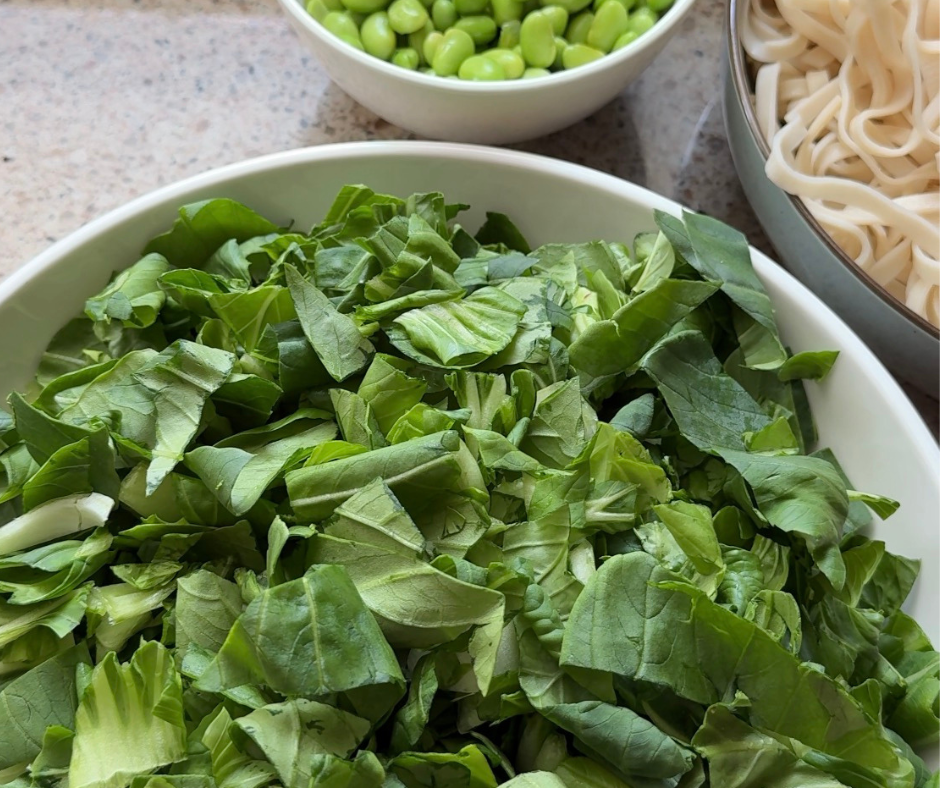
When you're cooking cruciferous vegetables, chop them before you begin cooking. Chopping brings the glucosinolates and myrosinase into contact before heat begins affecting the myrosinase enzyme.
Putting It Into Practice
Knowing what makes cruciferous vegetables special is helpful, but finding simple ways to eat them regularly is what really matters.
Start With Your Salad
One of the easiest ways I've found to eat cruciferous vegetables consistently is to make them part of the way I build my salads. Cruciferous Greens & Veggies is one of the categories in my Daily Salad Formula, so including something from this family is something I think about every time I build a salad.
That doesn't mean eating the same crucifer every day. I might use kale or mizuna as part of my greens or add cabbage, broccoli, radishes, or another crucifer depending on what I have on hand.
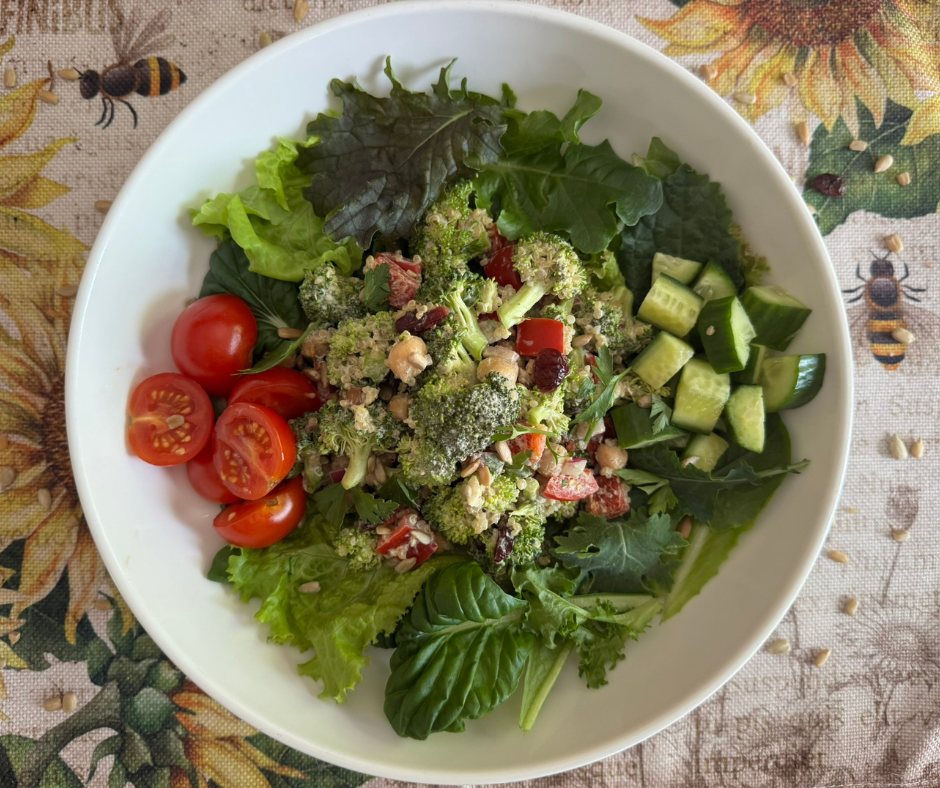
If you're looking for some inspiration, every Salad of the Week bowl I create includes cruciferous vegetables. So whichever bowl you choose, you'll already have at least one way to include this important vegetable family in your salad.
Make Soup Part of the Meal
Vegetable soup is another easy way to include cooked cruciferous vegetables. It can be paired with a big salad for a combination of raw and cooked crucifers, or you can add beans for a more substantial meal.
My Hearty Garden Vegetable Soup, for example, includes both kale and cauliflower and gives you the option of adding beans.
Hearty Garden Vegetable Soup →
Add Them to Everyday Meals
Salads and soups aren't the only ways I use cruciferous vegetables. They also work well in skillet meals, grain bowls, pasta dishes, stir-fries, and other everyday meals.
My Creamy Tomato, White Bean & Leafy Greens Spaghetti Squash, for example, is an easy way to add leafy greens to a hearty main dish. Kale works especially well here, but other cruciferous greens could be used depending on what you have available.
Creamy Tomato, White Bean & Leafy Greens Spaghetti Squash →
Growing many of the cruciferous greens I use most in my Tower Garden makes it easy to harvest what I need and add them to salads, soups, and other meals.
Final Thoughts
With so many cruciferous vegetables to choose from, there are plenty of ways to include them in foods you already enjoy. Add chopped kale or cabbage to a salad, toss cauliflower or collard greens into a soup, add pac choi to a stir-fry, or roast some broccoli or Brussels sprouts as a side dish.
You don't have to love every cruciferous vegetable or prepare them all the same way. With so many to choose from—and so many ways to use them—experimenting with different varieties and preparations can help you find the ones you enjoy enough to eat regularly.
And maybe the next time you see a cruciferous vegetable you haven't tried before, you'll be inspired to bring it home and give it a try. You just might discover a new favorite.
Want More Nutrient-Dense Meal Ideas?
My free Tower-to-Table Recipe Guide includes my Daily Salad Formula, along with simple whole-food plant-based recipes to help you turn fresh greens and vegetables into delicious, nutrient-dense meals.
Here's to simple, nourishing meals — one bowl at a time 🌱
Research & Sources
National Cancer Institute. Cruciferous Vegetables and Cancer Prevention.
Bioavailability of Glucosinolates and Their Breakdown Products: Impact of Processing.
Cruciferous Vegetables and Human Cancer Risk: Epidemiologic Evidence and Mechanistic Basis.